
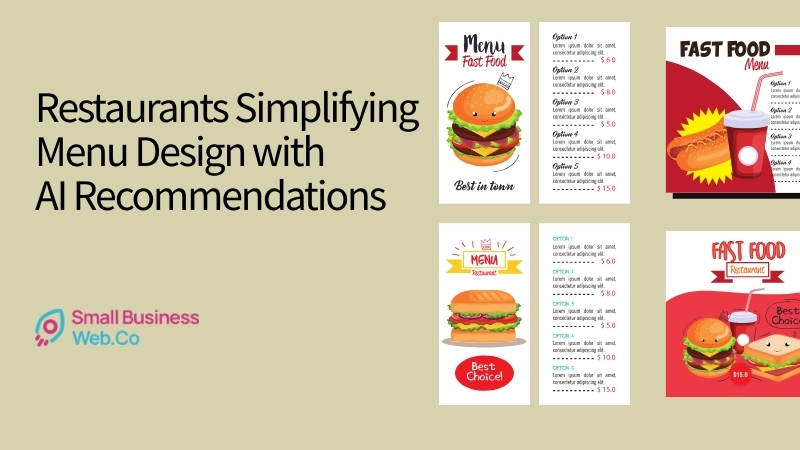
Restaurants Simplifying Menu Design with AI Recommendations
Artificial intelligence (AI) is rapidly transforming the restaurant industry, changing how businesses interact with customers and manage their operations. Restaurants that once relied on instinct and tradition for menu planning now leverage AI-powered platforms to unlock deeper insights into customer behavior and dining preferences.
Restaurants Simplifying Menu Design with AI Recommendations is not just a trend,it’s becoming essential for staying competitive in a market shaped by digital innovation. AI in restaurants enables data-driven decision-making, allowing owners and chefs to:
- Analyze purchase history and popular dishes
- Identify emerging food trends within target demographics
- Adapt menus in real-time based on customer feedback
With menu design simplification at its core, AI recommendations go beyond basic data crunching. These systems intuitively suggest new dishes, help accommodate dietary restrictions, and optimize pricing strategies,all tailored to both the brand identity and guest expectations.
“AI isn’t replacing creativity in the kitchen; it’s amplifying it by eliminating guesswork and enabling smarter choices.”
The result is a win-win: dynamic menus that delight guests while streamlining management for restaurateurs. The shift toward intelligent automation marks a pivotal moment for restaurants eager to harness technology for better customer engagement, operational efficiency, and long-term profitability.
However, the impact of AI is not limited to the restaurant industry. Other sectors such as consultancy, manufacturing, and even fitness are also witnessing significant transformations due to AI. In consultancy firms, for instance, AI can streamline operations and enhance client interactions. Similarly, in manufacturing businesses, incorporating SEO essentials along with must-have website features can significantly improve online visibility and operational efficiency. Meanwhile, personal trainers can leverage AI to access a wealth of knowledge tailored specifically for their industry, helping them stay on the cutting edge of fitness trends and strategies.
The Role of AI in Modern Menu Design
AI menu personalization has shifted traditional menu planning from a static approach to a dynamic, data-driven process. By leveraging algorithms that analyze customer preferences and dining history, restaurants now have the capability to craft menus tailored to the individual tastes of their guests.
1. Customer Preference Analysis
AI-powered systems review order histories, popular selections, and even subtle trends such as time-of-day preferences or favored flavor profiles. For instance, if a returning patron often chooses dairy-free options or leans toward spicy dishes, the system recognizes these patterns. When this guest browses the digital menu or interacts with a tableside ordering kiosk, suggested dishes reflect their known preferences,creating a sense of personalized service that manual curation cannot match.
2. Dietary Restriction Accommodation
Addressing allergies and lifestyle choices is a growing necessity in hospitality. AI makes it possible to filter menu offerings based on flagged dietary needs,whether gluten intolerance, nut allergies, veganism, or keto diets. As guests input their requirements into an app or online reservation platform, AI instantly adapts recommendations. This not only removes guesswork for diners but also reduces risk for both customers and staff. The result is safer dining experiences and greater trust in the brand’s commitment to inclusivity.
3. Case Study: Multilingual Menu Engagement
A practical example comes from a mid-sized urban restaurant serving a diverse international clientele. By integrating AI-driven language detection and translation tools into its digital menu system, the restaurant was able to offer real-time multilingual support,including Spanish, Mandarin, and French,alongside its primary language. Guests could view dish names, descriptions, and even allergen information in their native tongue with one click. This step led to increased engagement among non-English-speaking customers and higher overall satisfaction scores.
Personalization powered by AI doesn’t just enhance the dining experience,it broadens access and deepens customer relationships through thoughtful innovation.
To fully leverage these advancements, restaurants may consider investing in custom web solutions that cater specifically to their needs. These custom web solutions for small businesses can include tailored digital marketing services which are essential for optimizing online presence.
Moreover, understanding the costs associated with professional design services is crucial for budgeting purposes. A comparison between small business free design tools and agency design costs can provide valuable insights into making informed decisions.
It’s also important for restaurants to regularly assess their website’s performance to ensure optimal user experience. Utilizing a comprehensive website audit checklist can significantly help in improving overall website performance.
Lastly, for niche markets such as boutique services or specialty food offerings, seeking out digital solutions for boutique services could be beneficial in creating engaging and custom websites that resonate with target audiences.
Enhancing Customer Experience with AI-Powered Menus
AI-powered menus are reshaping the dining experience by offering personalized dish recommendations that feel tailored to each diner. When you walk into a restaurant and see suggestions that match your tastes, allergies, or past favorites, the process feels seamless,and it’s no accident. AI algorithms now analyze order histories, real-time preference inputs, and even social media trends to serve up menu choices that resonate on a personal level.
Key ways AI-driven menus enhance customer satisfaction:
Tailored Suggestions: Diners receive recommendations based on previous visits, dietary needs, and current cravings. For example, if you follow a plant-based lifestyle or avoid gluten, AI ensures your menu view highlights those options first.
Faster Decisions: By narrowing choices to dishes you’re most likely to enjoy, AI reduces the time spent scanning lengthy menus. Quick suggestions mean less decision fatigue and a more relaxed experience.
Increased Confidence in Choices: When diners trust that their preferences have been considered,whether they want “the usual” or are open to trying something new,they’re more likely to leave satisfied.
A direct benefit of this technology is the noticeable reduction in ordering time. Restaurants report decreases in table turnaround times without sacrificing attention to detail. Guests appreciate not having to repeat dietary requirements or preferences with every visit,AI remembers and adapts.
Personalized experiences don’t just boost satisfaction during one meal,they build connections that drive loyalty. Many establishments now integrate menu personalization with loyalty programs, rewarding customers for engagement and encouraging repeat visits. For instance:
- Loyalty points for adventurous ordering: Try a recommended dish outside your regular picks and earn bonus rewards.
- Exclusive offers based on taste profiles: Receive targeted promotions for dishes similar to your best-rated meals.
This intelligent approach transforms dining into an ongoing relationship rather than just a transaction. Regulars feel recognized; newcomers feel understood from their first interaction. The result is not only higher customer satisfaction but also long-term brand loyalty that keeps tables full night after night.
Additionally, the integration of social media strategies can further enhance the effectiveness of these personalized experiences. Restaurants can leverage these platforms to gather insights about customer preferences and trends, allowing for even more tailored menu offerings.
Furthermore, as we see a rise in [fitness wearable trends](https://saddlebrown-mink-941739.hostingersite.com/fitness-wearable-trends), restaurants could also explore partnerships with fitness brands. This could lead to innovative menu options that cater specifically to health-conscious diners who track their nutritional intake through wearables, thus aligning their dining choices with their fitness goals.
Boosting Restaurant Revenue Through Intelligent Recommendations
Restaurants simplifying menu design with AI recommendations often discover new pathways to maximize revenue per customer. AI-powered upselling strategies transform the ordering process by analyzing each guest’s current selections, preferences, and order history to suggest high-margin add-ons or upgrades at just the right moment. Whether it’s recommending a premium side dish, a specialty beverage, or dessert pairings perfectly matched to the main course, these tailored prompts feel less intrusive and more like thoughtful service.
Smarter Upselling: Personalized Suggestions at the Right Time
AI-powered upselling strategies transform the ordering process by analyzing each guest’s current selections, preferences, and order history to suggest high-margin add-ons or upgrades at just the right moment. Here are some examples:
- If a guest selects a vegetarian entrée, the system might suggest a trending vegan dessert or a wine pairing favored by similar customers.
- Busy families ordering multiple mains may receive bundle offers or family meal deals driven by real-time purchasing trends.
Intelligent Cross-Selling: Encouraging Combinations That Work
Cross-selling techniques also benefit from this intelligent approach. Instead of generic suggestions, AI analyzes patterns,such as which appetizers are popular among guests who order specific entrées,and nudges diners toward combinations that have proven successful in driving higher ticket sizes. For instance, predictive product bundles can be utilized to offer tailored meal deals based on popular combinations. Examples include:
- Guests who order steak might be prompted to try a specific side dish that pairs well with it.
- Customers selecting pasta may receive recommendations for complementary sauces or toppings.
Dynamic Pricing: Adapting to Market Demand
AI doesn’t stop at product suggestions. It also supports dynamic pricing strategies based on market data analysis and competitor insights. By scanning local competitors’ menus and pricing moves, AI tools recommend optimal price points for each item,ensuring you remain competitive without sacrificing profitability. If demand increases for specific dishes during weekends or special events, automated systems can trigger price adjustments in real time.
The Impact: Measurable Results for Restaurants
The impact is measurable: smarter upselling and cross-selling drive incremental sales without increasing labor costs, while data-driven pricing ensures every dish is positioned for maximum revenue potential. This level of precision allows restaurants to elevate both their customer experience and their bottom line.
Interestingly, this concept of intelligent recommendations isn’t limited to restaurants alone. For instance, personal trainers can also leverage similar AI-driven strategies for their marketing efforts. They can use fitness trainer logo design ideas that resonate with their target audience while utilizing AI tools to personalize their offerings and enhance client engagement.
Operational Efficiency Gains from AI in Menu Management
AI-powered demand forecasting is changing the way restaurants prepare for busy days and special events. By looking at past sales data, local happenings, weather patterns, and even social media trends, AI can accurately predict which menu items will be most popular at specific times. This means you’re ready for busy Friday nights or seasonal rushes without any last-minute panic.
1. Inventory Optimization Powered by AI
Inventory optimization becomes much more precise when powered by real-time data. Instead of relying on guesswork or manual inventory checks, restaurants now use AI tools that automatically track ingredient usage and alert managers when stock levels dip below set thresholds. This smart system reduces both overstocking,which ties up capital in unused ingredients,and shortages that could leave customers disappointed.
Key benefits of AI-driven inventory optimization:
Automatic reorder triggers based on actual consumption rates.
Supplier integration for streamlined restocking.
Real-time notifications for low or expiring stock.
2. Reducing Food Waste with Smarter Systems
Food waste reduction has emerged as a direct result of these smarter systems. When you know what to expect each day, it’s easier to order only what’s needed. Data-driven insights help identify slow-moving items so menus can be adjusted, specials can be planned, and procurement decisions become more strategic.
“By leveraging demand forecasting and inventory optimization tools, restaurants are seeing up to 20% reductions in food waste,” reports a recent study in Restaurant Technology Magazine.
Restaurants now fine-tune their purchasing strategies with confidence:
Adjust menu offerings based on predicted demand.
Promote dishes using soon-to-expire ingredients.
Track waste patterns and adapt portion sizes accordingly
3. The Importance of Cybersecurity in Implementing AI Systems
However, while implementing these advanced AI systems, it’s crucial for restaurant owners to remain vigilant about potential cyber threats. Cybersecurity trends for small business websites in 2024 indicate that restaurant websites could be prime targets for cyber attacks if not properly secured.
To safeguard your online presence while leveraging these operational gains, consider investing in robust cybersecurity measures. Additionally, harnessing data insights tools can further drive growth and enable informed decision-making. These tools provide invaluable data that can enhance your understanding of customer preferences and operational efficiency.
With these operational gains, your team spends less time dealing with unexpected shortages and more time creating memorable dining experiences. The combination of efficient back-of-house processes and flexible menu management sets the stage for even smarter design choices supported by AI technology.
Visual Appeal Meets Smart Functionality: Designing Menus with AI Support
Striking the right balance between aesthetics and utility is crucial for any restaurant menu. AI-powered design tools are transforming this process by offering customizable menu templates that align seamlessly with a restaurant’s brand identity. These smart templates not only adapt to preferred color palettes and typography but also allow for easy logo integration,delivering a cohesive look that instantly communicates your unique style to diners.
The importance of brand color in this context cannot be overstated. Colors play a significant role in shaping brand identity and can greatly influence business growth, making it essential for restaurants to choose their color schemes wisely.
Key features you can expect from AI-supported menu design platforms include:
- Drag-and-drop customization: Easily update layouts, swap images, and adjust branding elements without advanced design skills.
- Template suggestions tailored to your cuisine or ambiance: For example, a vegan café receives earthy, modern layouts while a fine-dining steakhouse sees elegant, minimalist options.
- Consistent brand identity alignment: From digital screens to printed menus, every touchpoint reflects the same visual language, strengthening brand recognition with every guest interaction.
AI also revolutionizes how dish descriptions are created. Instead of manually writing each item, automated content tools generate enticing and accurate descriptions based on your ingredient list or culinary style. These systems use natural language generation to:
Craft engaging narratives highlighting flavors and origins
Ensure consistency in tone and vocabulary across all menu items
Instantly adapt descriptions for seasonal specials or ingredient changes
Diners benefit from clearer information and more vivid imagery in their decision-making process. This not only elevates the perceived value of dishes but also reduces order confusion,especially important for establishments with frequently rotating menus or diverse offerings.
With visually stunning presentations backed by intelligent automation, restaurants find it simpler to keep menus fresh and on-brand while saving valuable time in the creative process. The availability of Elementor templates further enhances this capability, providing an array of amazing template options that can take restaurant websites and menus to the next level.
Integrating Technology Seamlessly: Ensuring Smooth Operations with AI in Restaurants’ Systems
Efficient restaurant operations depend on technology that communicates effortlessly. Integrating AI tools with existing point-of-sale (POS) systems streamlines menu management, order processing, and real-time updates,all without disrupting daily workflows.
1. POS Integration Compatibility
Leading AI platforms for restaurants are designed to work hand-in-hand with popular POS systems. This compatibility ensures you can push updated menus, pricing, and availability directly to digital ordering screens and staff terminals without manual intervention. Menu changes powered by AI recommendations,such as highlighting trending dishes or removing out-of-stock items,sync instantly across all touchpoints.
2. Real-Time Updates & Order Accuracy
With seamless integration, every modification made through the AI system reflects immediately at the register and kitchen display screens. Staff can trust the accuracy of orders and inventory, reducing costly mistakes and miscommunications. The result is a smoother workflow from front-of-house to back-of-house.
3. Efficient Order Processing
AI-driven recommendations can be surfaced at the time of order entry, prompting upsells or substitutions based on real-time data. This not only enhances guest experience but also increases average check size organically,without slowing down service.
Restaurants simplifying menu design with AI recommendations benefit from a fully connected tech stack. The process becomes less about managing disparate systems and more about delivering consistently great dining experiences through intelligent automation.
Moreover, effective content writing tips can further enhance the restaurant’s online presence, making it easier for customers to find accurate information about menu changes and other updates. By leveraging these strategies alongside advanced technology integration, restaurants can significantly improve their operational efficiency and customer satisfaction.
Exploring the Future Potential of AI in Menu Development for Restaurants
Artificial intelligence is quickly changing the world of culinary innovation. With the help of advanced algorithms, chefs can now create recipes without any biases, freeing them from traditional limitations and personal preferences that could unintentionally stifle their creativity. By analyzing large amounts of data that include global cuisines, seasonal ingredient trends, and customer flavor profiles, AI is able to come up with unique combinations that human teams may not have thought of.
1. Bias-Free Recipe Creation
Traditional menu development often relies on a chef’s background or past successes, but AI offers an unbiased viewpoint. This technology uses data from thousands of popular dishes around the world to identify areas where flavor offerings or dietary inclusivity are lacking. For instance, an AI tool can recommend fusion concepts like Korean-inspired tacos or plant-based Mediterranean bowls by identifying emerging patterns from social media buzz and customer reviews.
2. R&D Acceleration through Data-Driven Insights
In today’s rapidly changing food industry, speed is crucial. AI-powered systems can significantly speed up research and development cycles by quickly testing ingredient substitutions, portion sizes, and preparation methods in simulated environments before any resources are used in the kitchen. These recommendations are based on real-time analysis of what’s trending among diners and what competitors are offering, helping restaurants stay ahead of changing consumer preferences.
3. Spotting Popular Dishes Before They Trend
Predictive analytics allow operators to identify rising stars before they become mainstream hits. By recognizing shifts in ordering patterns,such as increasing interest in gluten-free desserts or regional street foods,AI assists restaurants in introducing menu items just as demand reaches its peak.
With these abilities, culinary teams have tools not only to keep up with the market but also to set new trends and redefine what a restaurant menu can be. Creative freedom expands while operational risks decrease,a combination that’s turning menu development into a lively, data-driven process.
The integration of AI into restaurant operations goes beyond just menu development. Various sectors, including web development for restaurants, are also feeling the effects of blockchain technology. This technology is improving secure web development practices by enhancing security, transparency, and user trust.
Additionally, small businesses in the restaurant industry can take advantage of cost-effective website development packages that provide high-performing websites tailored to their specific needs. The use of APIs can further assist these businesses in reducing development costs and enhancing website efficiency.
As we move into 2023, it’s important for restaurant owners to stay informed about the latest web development ideas and trends that will shape this year.
Expanding Customer Interaction Beyond the Menu with Intelligent Chatbots in Restaurants’ Digital Ecosystems
Intelligent chatbots have become essential components in modern restaurants’ digital ecosystems, offering significant improvements in customer interaction beyond traditional menu browsing. These AI-driven tools effortlessly manage reservation requests, allowing guests to book tables around the clock without waiting for human intervention. The result is less time spent on hold and a smoother reservation experience from the first touchpoint.
Key Benefits of Chatbot Reservations
Convenience: Guests can make reservations anytime, anywhere without relying on staff availability.
Efficiency: Chatbots optimize table turnover by using real-time occupancy data, reducing wait times for diners.
Reliability: Instant confirmation and timely updates build trust and confidence in your restaurant.
How Chatbots Streamline Operations
Automated query handling further streamlines operations. Chatbots respond immediately to frequent questions about hours, menu items, parking, or allergy information. This minimizes staff workload and ensures guests never feel ignored, even during peak periods.
Key Features Driving Value
- 24/7 reservation management: Automated booking and cancellation processes.
- Real-time payment processing automation: Quick bill settlements directly within chat interfaces.
- Seamless handling of special requests: From dietary needs to birthday surprises.
When integrated with other restaurant systems, these chatbots deliver personalized service while collecting valuable data on guest preferences,paving the way for even deeper engagement as technology continues to evolve.
The Broader Trend of Digital Transformation
This drive towards digital transformation isn’t limited to the restaurant industry alone. For instance, small manufacturing businesses are also embracing digital solutions to expand their client base online. Similarly, beauty and spa businesses are leveraging effective digital marketing tactics to enhance their online visibility.
These examples illustrate the broader trend of small business digital solutions, which can significantly improve operational efficiency and customer engagement across various sectors.
For those seeking tailored strategies, there are affordable digital marketing pricing packages available that cater specifically to small businesses looking to boost their online presence.
Conclusion
Restaurants Simplifying Menu Design with AI Recommendations are not just keeping pace,they are setting new standards for the modern dining experience. By embracing technology in foodservice, you position your business at the forefront of an industry rapidly evolving to meet customer expectations.
- Enhanced guest satisfaction: AI-driven solutions ensure your menus cater to diverse preferences, dietary needs, and languages, delivering tailored experiences that diners remember.
- Operational excellence: Streamlined inventory management, intelligent menu adjustments, and real-time order processing reduce waste and optimize resources.
- Profitability through innovation: Smart recommendations and dynamic pricing increase average ticket size while intelligent upselling drives revenue growth.
- Brand differentiation: Visually captivating menus and seamless digital interactions reinforce your restaurant’s unique identity in a crowded marketplace.
Adopting these cutting-edge tools is more than a competitive move,it’s a commitment to continuous improvement and lasting customer relationships.
The evolution of the modern dining experience rests on genuine connection, efficiency, and creativity. Embracing AI solutions empowers you to deliver all three while future-proofing your operations. Now is the time to explore what these technologies can do for your restaurant,your guests, staff, and bottom line will thank you.
In addition to AI advancements, leveraging Google Local Services Ads can significantly enhance your online presence, attract more customers, and drive growth for your restaurant. Coupled with a strong focus on organic SEO, which can improve your website’s visibility and bring in more potential customers, these strategies form a comprehensive approach to modern restaurant management.
FAQs (Frequently Asked Questions)
AI is revolutionizing menu creation and management by analyzing customer preferences, dietary restrictions, and past orders to create personalized menus. This technology simplifies the design process while enhancing customer engagement and satisfaction.
AI personalizes menus by examining customer data such as preferences, dietary restrictions like allergies or veganism, and ordering history. It can also provide multilingual options, making menus more accessible and tailored to diverse clientele.
AI-driven menus offer personalized dish recommendations that streamline decision-making, reduce ordering time, and improve satisfaction. These tailored experiences foster increased customer loyalty and encourage repeat visits to restaurants.
AI leverages upselling and cross-selling techniques during ordering by suggesting complementary dishes or premium options. It also analyzes market data and competitor pricing to recommend optimal pricing strategies that maximize revenue per customer.
AI aids in demand forecasting to prepare for peak hours and seasonal trends, optimizes inventory management to prevent shortages or overstocking, and provides data-driven insights that reduce food waste through smarter procurement and menu adjustments.
Advanced AI algorithms can facilitate bias-free recipe creation, accelerate research and development cycles, and help restaurants innovate new dishes based on evolving consumer preferences, thereby pushing culinary creativity beyond traditional boundaries.


About the Author - Anusha
Anusha is a passionate designer with a keen interest in content marketing. Her expertise lies in branding, logo designing, and building websites with effective UI and UX that solve customer problems. With a deep understanding of design principles and a knack for creative problem-solving, Anusha has helped numerous clients achieve their business goals through design. Apart from her design work, Anusha has also loved solving complex issues in data with Excel. Outside of work, Anusha is a mom to a teenager and also loves music and classic films, and enjoys exploring different genres and eras of both.

